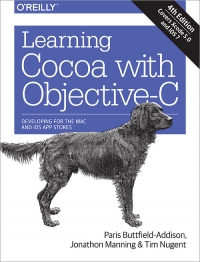
Learning Cocoa with Objective-C, 4th Edition
Get up to speed on Cocoa and Objective-C, and start developing applications on the iOS and OS X platforms. If you don't have experience with Apple's developer tools, no problem! From object-oriented programming to storing app data in iCloud, the fourth edition of this book covers everything you need to build apps for the iPhone, iPad, and Mac. You'll learn how to work with the Xcode IDE, Objective-C's Foundation library, and other developer tools such as Event Kit framework and Core Animation. Along the way, you'll build example projects, including a simple Objective-C application, a custom view, a simple video player application, and an app that displays calendar events for the user. ...
Get up to speed on Cocoa and Objective-C, and start developing applications on the iOS and OS X platforms. If you don't have experience with Apple's developer tools, no problem! From object-oriented programming to storing app data in iCloud, the fourth edition of this book covers everything you need to build apps for the iPhone, iPad, and Mac. You'll learn how to work with the Xcode IDE, Objective-C's Foundation library, and other developer tools such as Event Kit framework and Core Animation. Along the way, you'll build example projects, including a simple Objective-C application, a custom view, a simple video player application, and an app that displays calendar events for the user. ...
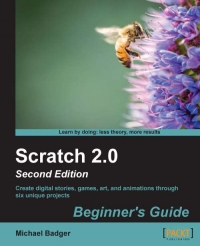
Scratch 2.0: Beginner's Guide, 2nd Edition
As 21st century people, we live a digital life, but computer scientists around the world warn of a declining pool of digitally literate computer science students. The Scratch environment makes it fun for students of any age to think, create, and collaborate digitally. Scratch 2.0 Beginner's Guide Second Edition will teach you how to become a Scratch programmer and lay the foundation for programming in any computer language. Whether you are creating a birthday card or cloning bricks for a game of Breakout, projects are approached in a step-by-step way to help you design, create, and reflect on each programming exercise. ...
As 21st century people, we live a digital life, but computer scientists around the world warn of a declining pool of digitally literate computer science students. The Scratch environment makes it fun for students of any age to think, create, and collaborate digitally. Scratch 2.0 Beginner's Guide Second Edition will teach you how to become a Scratch programmer and lay the foundation for programming in any computer language. Whether you are creating a birthday card or cloning bricks for a game of Breakout, projects are approached in a step-by-step way to help you design, create, and reflect on each programming exercise. ...
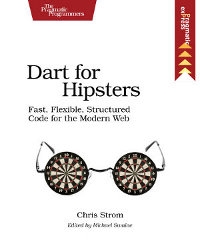
Dart for Hipsters
In Dart for Hipsters, you follow project-based chapters demonstrating real-world problems solved with Dart. Each project serves as the foundation for deeper discussion of defining features of Dart, such as its support for functional programming. As you reinforce your understanding of Dart, you'll move on to more complex projects which, in turn, spur more complex discussions, such as how to maintain Dart and JavaScript side-by-side. By the end of this book, not only will you have a thorough introduction to the language, but you'll also have built an entire MVC library from scratch. ...
In Dart for Hipsters, you follow project-based chapters demonstrating real-world problems solved with Dart. Each project serves as the foundation for deeper discussion of defining features of Dart, such as its support for functional programming. As you reinforce your understanding of Dart, you'll move on to more complex projects which, in turn, spur more complex discussions, such as how to maintain Dart and JavaScript side-by-side. By the end of this book, not only will you have a thorough introduction to the language, but you'll also have built an entire MVC library from scratch. ...
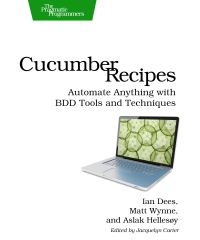
Cucumber Recipes
The Cucumber Book showed you how your team can work together to write executable specifications - documents that tell a clear story and also happen to be working test code. We'll arm you with ready-rolled solutions to real-world problems: your tests will run faster, read more clearly, and work in any environment. Our first tips will help you fit Cucumber into your workflow. Powerful filters will tame tables full of test data, transforming them into the format your application needs. Custom output formatters will generate reports for any occasion. ...
The Cucumber Book showed you how your team can work together to write executable specifications - documents that tell a clear story and also happen to be working test code. We'll arm you with ready-rolled solutions to real-world problems: your tests will run faster, read more clearly, and work in any environment. Our first tips will help you fit Cucumber into your workflow. Powerful filters will tame tables full of test data, transforming them into the format your application needs. Custom output formatters will generate reports for any occasion. ...
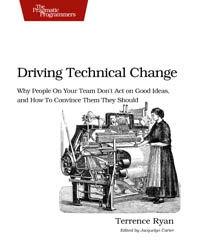
Driving Technical Change
If you work with people, you need this book. Learn to read co-workers and users patterns of resistance and dismantle their objections. With these techniques and strategies you can master the art of evangelizing and help your organization adopt your solutions. ...
If you work with people, you need this book. Learn to read co-workers and users patterns of resistance and dismantle their objections. With these techniques and strategies you can master the art of evangelizing and help your organization adopt your solutions. ...
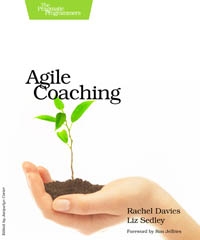
Agile Coaching
To lead change, you need to expand your toolkit, and this book gives you the tools you need to make the transition from agile practitioner to agile coach. Agile Coaching is all about working with people to create great agile teams. You'll learn how to build a team that produces great software and has fun doing it. In the process, you'll grow a team that's self-sufficient and skillful. This book provides you with deeper knowledge of how agile practices work and how to inspire your team to improve. Discover how to coach your team through the agile lifecycle, from planning to writing software. Learn the secrets of running effective agile meetings and how to get your team following a consistent approach to creating software. You'll find chapters dedicated to introducing Test-Driven Development, designing Retrospectives, and making progress visible. ...
To lead change, you need to expand your toolkit, and this book gives you the tools you need to make the transition from agile practitioner to agile coach. Agile Coaching is all about working with people to create great agile teams. You'll learn how to build a team that produces great software and has fun doing it. In the process, you'll grow a team that's self-sufficient and skillful. This book provides you with deeper knowledge of how agile practices work and how to inspire your team to improve. Discover how to coach your team through the agile lifecycle, from planning to writing software. Learn the secrets of running effective agile meetings and how to get your team following a consistent approach to creating software. You'll find chapters dedicated to introducing Test-Driven Development, designing Retrospectives, and making progress visible. ...
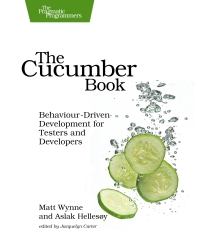
The Cucumber Book
Matt Wynne and Aslak Hellesoy show you how to express your customers wild ideas as a set of clear, executable specifications that everyone on the team can read. You'll learn how to feed those examples into Cucumber and let it guide your development. You'll build just the right code to keep your customers happy, and not a line more. Although it was born in the Ruby community, you can use Cucumber to test almost any system, from a simple shell script or Perl script, to web applications written in PHP, Java, or any platform. ...
Matt Wynne and Aslak Hellesoy show you how to express your customers wild ideas as a set of clear, executable specifications that everyone on the team can read. You'll learn how to feed those examples into Cucumber and let it guide your development. You'll build just the right code to keep your customers happy, and not a line more. Although it was born in the Ruby community, you can use Cucumber to test almost any system, from a simple shell script or Perl script, to web applications written in PHP, Java, or any platform. ...
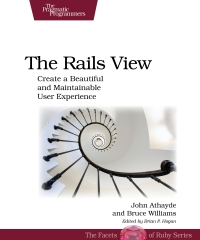
The Rails View
In this book you'll learn how to build up solid, sustainable layouts and popular interface elements with semantic HTML5 and CSS3. You'll explore ways to make working with forms more manageable, and you'll discover when you can responsibly generate markup and use advanced presenters - all without leaving the designers on your team out in the cold. You'll even learn how to tame HTML emails so you can ensure your message reaches its intended audience. Master the asset pipeline introduced in Rails 3.1 as you use Sass and Coffeescript to make your interface more enjoyable and your code shorter, and explore ways to present your application to that ever-growing mobile audience. You'll see how to ensure that your interface stays snappy by evaluating its performance. This book gives you comprehensive, objective guidance in a realm full of subjective opinions. Use it, and you'll create elegant, well-structured views that are a joy to build upon. ...
In this book you'll learn how to build up solid, sustainable layouts and popular interface elements with semantic HTML5 and CSS3. You'll explore ways to make working with forms more manageable, and you'll discover when you can responsibly generate markup and use advanced presenters - all without leaving the designers on your team out in the cold. You'll even learn how to tame HTML emails so you can ensure your message reaches its intended audience. Master the asset pipeline introduced in Rails 3.1 as you use Sass and Coffeescript to make your interface more enjoyable and your code shorter, and explore ways to present your application to that ever-growing mobile audience. You'll see how to ensure that your interface stays snappy by evaluating its performance. This book gives you comprehensive, objective guidance in a realm full of subjective opinions. Use it, and you'll create elegant, well-structured views that are a joy to build upon. ...
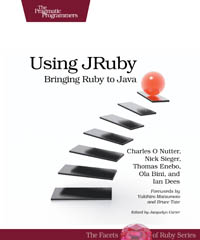
Using JRuby
Now you can bring the best of Ruby into the world of Java, with Using JRuby. Come to the source for the JRuby core team's insights and insider tips. You'll learn how to call Java objects seamlessly from Ruby, and deal with Java idioms such as interfaces and overloaded functions. Run Ruby code from Java, and make a Java program scriptable in Ruby. See how to compile Ruby into .class files that are callable from Java, Scala, Clojure, or any other JVM language. ...
Now you can bring the best of Ruby into the world of Java, with Using JRuby. Come to the source for the JRuby core team's insights and insider tips. You'll learn how to call Java objects seamlessly from Ruby, and deal with Java idioms such as interfaces and overloaded functions. Run Ruby code from Java, and make a Java program scriptable in Ruby. See how to compile Ruby into .class files that are callable from Java, Scala, Clojure, or any other JVM language. ...
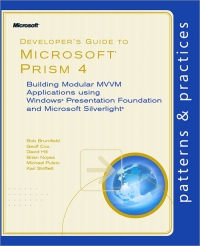
Developer's Guide to Microsoft Prism 4
It can be challenging to design and build WPF or Silverlight client applications that are flexible, maintainable, and that can evolve over time based on changing requirements. These kinds of applications require a loosely coupled modular architecture that allows individual parts of the application to be independently developed and tested, allowing the application to be modified or extended later on. Additionally, the architecture should promote testability, code re-use, and flexibility. ...
It can be challenging to design and build WPF or Silverlight client applications that are flexible, maintainable, and that can evolve over time based on changing requirements. These kinds of applications require a loosely coupled modular architecture that allows individual parts of the application to be independently developed and tested, allowing the application to be modified or extended later on. Additionally, the architecture should promote testability, code re-use, and flexibility. ...